

By The Garden Project Co. Team
It’s that reflective time of year when garden designers begin looking toward what’s next for outdoor spaces with 2026 already shaping up to be a year of thoughtful planting. Across country houses, courtyards, and estate grounds, a quieter but more confident planting style is definitely emerging.
Below, the planting designers at the Garden Project Co., explore ideas that define the new luxury garden palette.
The Rise of Architectural Foliage
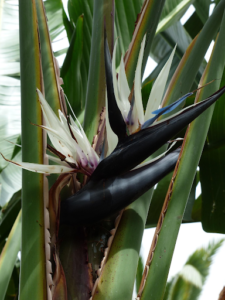
Large leaves have become icons of modern planting. Designers are beginning to lean towards species that introduce drama but minus the chaos. Strelitzia nicolai for example, with its upright fans of green-grey foliage, brings a striking yet controlled presence to contemporary terraces. Its vertical form introduces height, while the broad leaves provide a bold visual that works well alongside minimal paving, subtle lighting, and even sleek furniture.
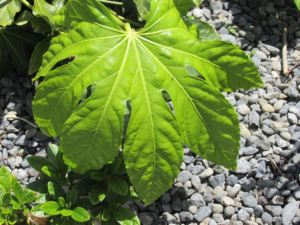
Similarly, Fatsia japonica, brings depth to garden areas that are heavily shaded. Their broad leaves are known to create a contrast against minimalist surfaces such as concrete or pale limestone. The result is not excessive, but more grounded.
New Colours
The colour of your plants in 2026 is favouring subtle but powerful choices.Homeowners are embracing tones that feel natural and immersive. The trend is shifting from pastel colours toward deeper, moodier shades that work beautifully with structured greenery.
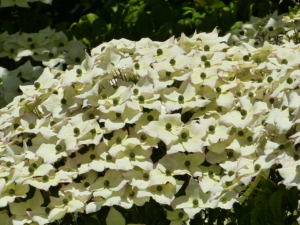
For instance, a single Cornus Kousa in bloom, or a grouping of white agapanthus can bring that much needed interest to a garden. These plants provide subtle colour, guiding the eye through a border while creating a sense of purpose in the overall planting scheme.
Container Planting
Container planting continues to gain popularity in luxury outdoor spaces. Large planters in concrete, stone, or terracotta act as sculptures in their own right. When filled with single plants such as olive, bay, or Japanese maple, they become architectural features that soften hard landscaping and really ‘pop’ within your garden.
This method allows flexibility in design, making them perfect for courtyards and terraces. A carefully placed container at the edge of a pool or walkway really does draw the eye from our experience. These living focal points also connect indoor and outdoor spaces, reflecting the wider trend for luxury living environments.
Advancements in irrigation and soil technology are also shaping how containers perform. Self-watering systems, lightweight substrates, and high-performance drainage materials mean that even substantial plantings can thrive with minimal maintenance. This has made container planting a practical choice for roof terraces and elevated decks where weight and water management are crucial.
Gardens Designed for Every Season
Planting for all seasons has become a defining trend as designers are thinking about structure and texture that remain beyond just the summer months.
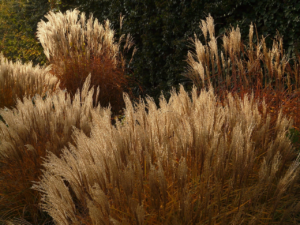
Grasses such as Miscanthus sinensis and Carex buchananii are valued for their soft movement and changing tones through autumn and winter. The red stems of Cornus alba ‘Sibirica’ provide colour when other plants are dormant, while seed heads and dried stems are retained to add structure to the winter garden.
This mindset signals a move away from decorative planting toward one that is more holistic. Gardens that remain dynamic and alive, continuously offering sensory experiences throughout the year.
Sustainability
In 2026, designers and homeowners are really starting to consider how each plant species contributes to long-term garden resilience. Mediterranean evergreens such as rosemary and sage, once seen mainly as culinary plants, are being repurposed as highly structural features within a garden.
Increasingly, sustainability is being viewed as a creative opportunity. Planting plans are designed to reduce dependency on irrigation and chemicals, prioritising species that adapt naturally to local climates. The use of drought-tolerant perennials, native grasses, and deep-rooted shrubs contributes to soil health and biodiversity while maintaining a refined appearance to a garden.
The modern luxury garden now feels intelligent, a place that thrives with less intervention and more purpose.
The Future of Planting Design
As experts in the garden design industry, the direction is clear. The modern garden of 2026 is calm and timeless, a living reflection of design maturity and a total respect for nature.
What distinguishes this new era is that every plant, material, and feature must earn its place. Designers are drawing from principles of minimalism, and ecology to create landscapes that feel curated yet natural.
Technology is also quietly influencing how planting is conceived and maintained. Digital mapping and AI-driven irrigation systems allow for greater precision and adaptability in the designing process.
Ultimately, the future of planting design is less about following trends and more about crafting outdoor spaces that last year after year.